
Jhajjar, Nov 10 (IANS) The Pradhan Mantri Awas Yojana (PMAY) has been instrumental in supporting the poor and downtrodden families by providing them with their public welfare benefits and helping them attain basic standards of living.
In Haryana’s Jhajjar district, many residents who benefitted from the public welfare scheme shared their travails of living in a mud or makeshift house and experiences of moving into a permanent house of their own. They thanked the government for helping them realise the dream of owning a house.
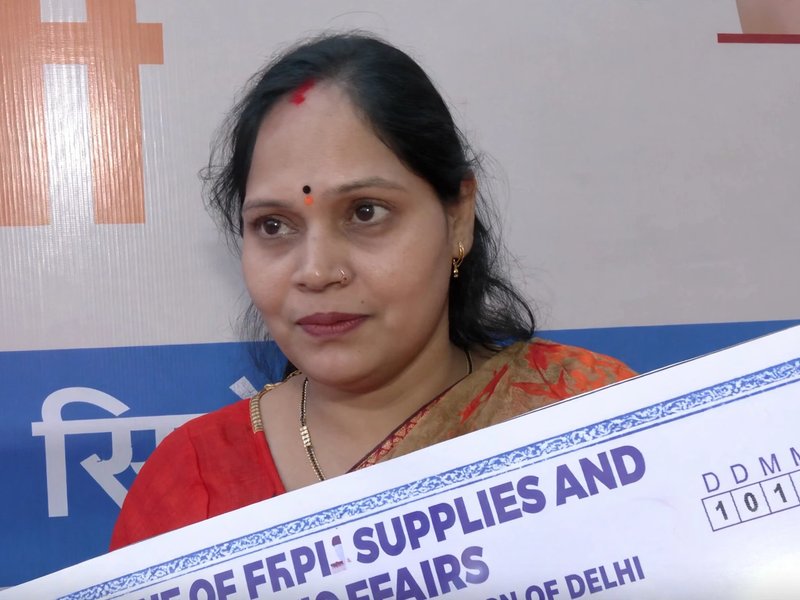
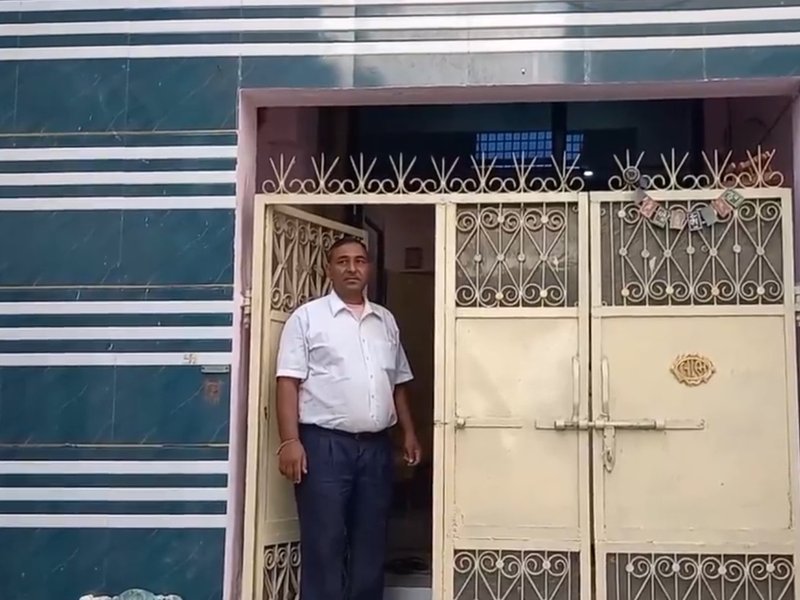
Suresh Kumar, a resident of Ward No. 15 in Jhajjar city, received financial assistance of Rs 2.5 lakh under the scheme, which enabled the completion of his house. Similarly, Sunil Kumar and his wife, Suman Lata—also residents of the same ward received support under the scheme to build a permanent home.
Suresh Kumar, speaking to IANS, said that due to weak financial condition, it was difficult for him to build his house, but assistance of Rs 2.5 lakh under the PMAY made it possible. Hoping that every poor and needy person in the country should benefit from this scheme, he expressed his gratitude to the Modi government.
“I received assistance of Rs 2.5 lakh from the PMAY. I truly wish for every resident of India to benefit from this scheme. Every poor person should learn about this initiative and take advantage of it," he said.
Sunil Kumar and his wife, Suman Lata, also echoed similar sentiments and thanked the Centre for extending financial assistance to those who dream of building a better life.
Suman Lata said, "Our house was built through the Pradhan Mantri Awas Yojana, and we are very happy. I hope such facilities continue to be provided for the benefit of the poor."
Sunil Kumar said, “Our house was built under the PMAY. We were not in a position to build a house on our own, but it became possible through this scheme. We hope that the Prime Minister continues to introduce such new schemes, so that the poor can also benefit from them."
Notably, the PMAY Yojana, launched in April 2016, has steadily evolved into one of the largest social welfare initiatives in the country. It has provided support to families in rural as well as urban spaces to move from dilapidated homes to pucca houses and also avail the basic amenities of tap water, toilets and electricity.
--IANS
mr/dan